City of Wanneroo Afrikaans Translation Services
Perth Translation Services » City of Wanneroo Afrikaans Translation Service
City of Wanneroo Afrikaans Translation Services
 Afrikaans to English translation is in strong demand across Australia due to the large South African diaspora, particularly in Perth and Brisbane. While Afrikaans shares roots with Dutch, its simplified grammar and unique vocabulary mean that only translators with specific Afrikaans expertise can produce accurate certified translations. NAATI-certified Afrikaans translators handle documents ranging from South African police clearances to academic transcripts, primarily for immigration, skills recognition, and employment purposes. The main challenge lies in older legal documents that use formal Roman-Dutch terminology unfamiliar to translators trained only in modern Afrikaans.
Upload Document For Translation

City of Wanneroo Afrikaans Translator Services
Afrikaans translator for certified translation services:
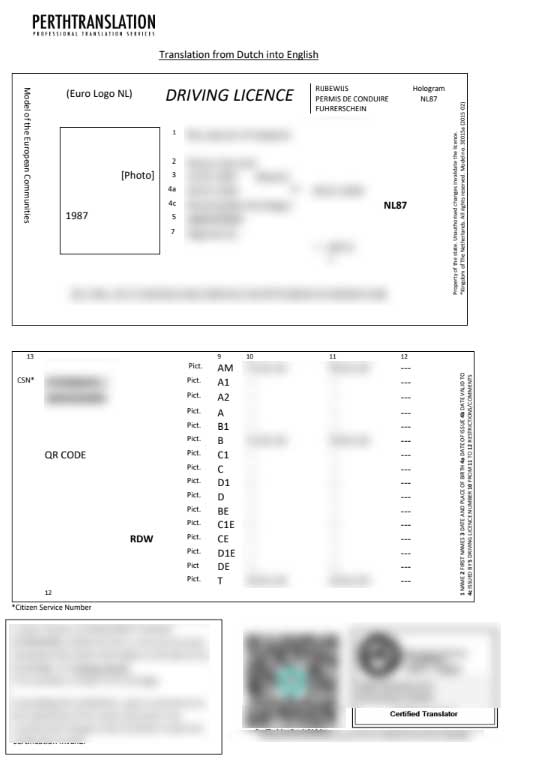
- Afrikaans driving license translation
- Afrikaans financial translation and bank statement translations
- Afrikaans birth certificate translation
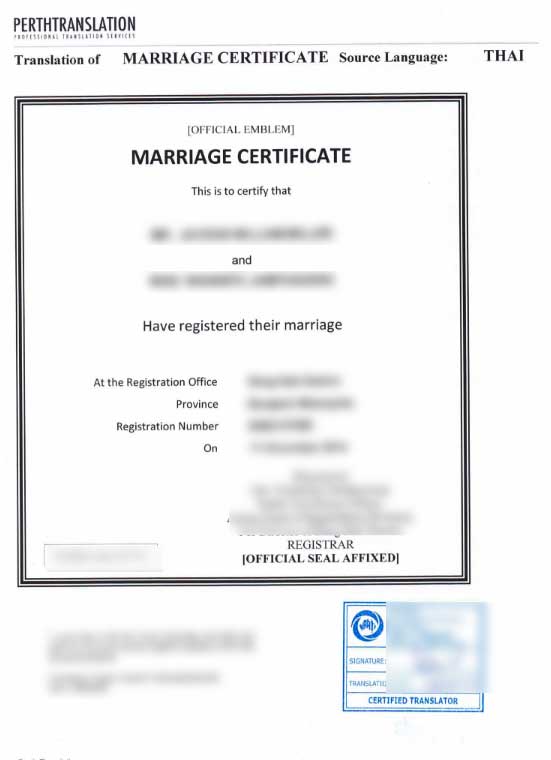
- Afrikaans marriage certificate translation
- Afrikaans name-change certificate translation
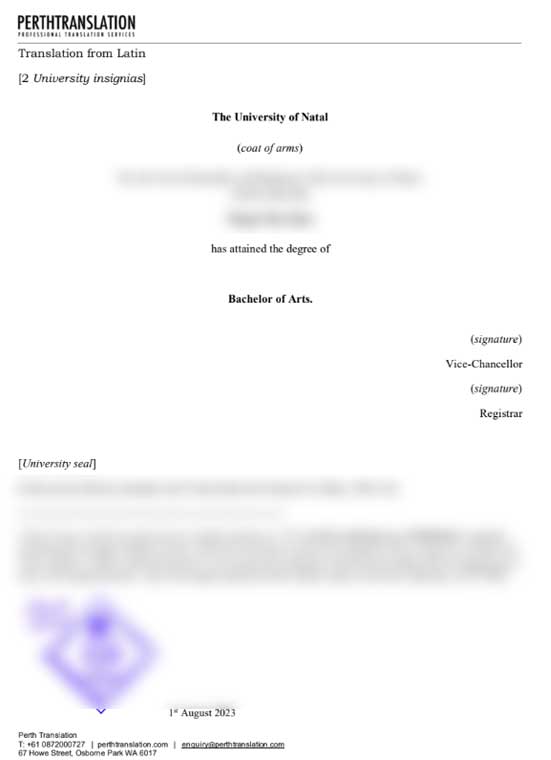
- Afrikaans degree translation
- Afrikaans diploma translation
- Afrikaans school transcript translation
- Afrikaans passport translation
- Afrikaans police report translation
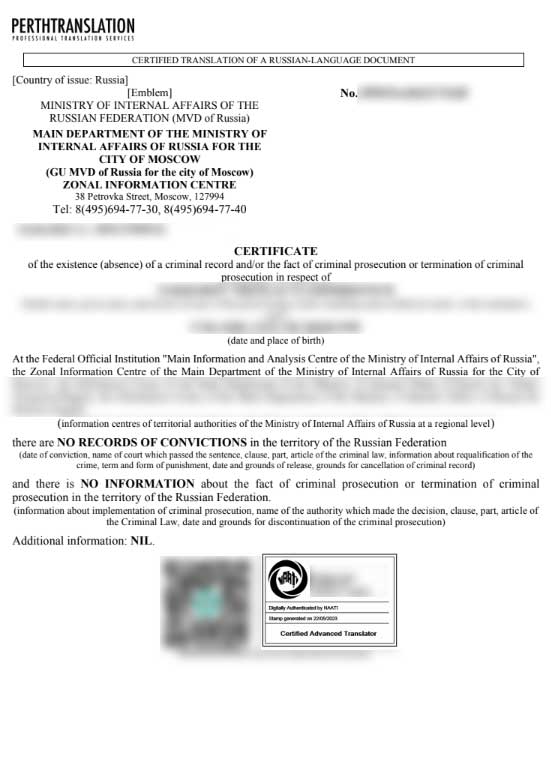
- Afrikaans police check translation
- Afrikaans personal letters and cards
- Afrikaans utility bill translations
- Afrikaans death certificate translation
Perth Translation provides fast and affordable Afrikaans translation services in the City of Wanneroo for all types of personal documents by NAATI translators.
City of Wanneroo
The City of Wanneroo is a local government area with city status in the northern suburbs of Perth, Western Australia. It is centred approximately 25 kilometres (15.5 mi) north of Perth's central business district and forms part of the northern boundary of the Perth metropolitan area.
City of Wanneroo History
Prior to 1902, Wanneroo was part of the Perth Road District, which eventually went on to become the City of Stirling. Wanneroo was established on 31 October 1902 as a road board under the Roads Act 1888. The board was named after the Wanneroo wetlands in the area, first explored and recorded by John Butler in 1834.
With the passage of the Local Government Act 1960, all road boards became shires effective from 1 July 1961, and the Shire of Wanneroo came into being, encompassing everything north of Beach Road and west of Alexander Drive. With the development of and subsequent population growth surrounding Joondalup, the Shire of Wanneroo attained City status on 31 October 1985.
City of Wanneroo Suburbs
The City of Wanneroo includes the suburbs and localities of Alexander Heights, Alkimos, Ashby, Banksia Grove, Butler, Carabooda, Carramar, Clarkson, Darch, Eglinton, Girrawheen, Gnangara, Hocking, Jandabup, Jindalee, Koondoola, Landsdale, Madeley, Marangaroo, Mariginiup, Merriwa, Mindarie, Neerabup, Nowergup, Pearsall, Pinjar, Quinns Rocks, Ridgewood, Sinagra, Tamala Park, Tapping, Two Rocks, Wangara, Wanneroo, Woodvale (part) and Yanchep.Our NAATI accredited Afrikaans translators in Perth provide official Afrikaans to English and English to Afrikaans translations for all document types, accepted by the Department of Home Affairs and Australian authorities.
Ons NAATI-geakkrediteerde Afrikaanse vertalers in Perth lewer amptelike Afrikaans-na-Engels en Engels-na-Afrikaans vertalings vir alle dokumenttipes, aanvaar deur die Departement van Binnelandse Sake en Australiese owerhede.
About Afrikaans Translation
Afrikaans uses a double negative construction (e.g. "ek het nie ... nie") that has no direct English equivalent and frequently trips up translators unfamiliar with the pattern. While its grammar is simpler than Dutch — with no grammatical gender and simplified verb conjugation — compound words can become extremely long, and formal legal Afrikaans draws heavily on archaic Dutch and Roman-Dutch legal terminology that requires specialist knowledge.
Afrikaans uses the Latin alphabet with 26 letters plus diacritical marks including the diaeresis (ë), circumflex (ê, ô, û), and acute accent (é). These diacritics are essential for meaning — omitting them can change the interpretation of a word.
Common Afrikaans Documents
Afrikaans documents commonly requiring translation include the geboortesertifikaat (birth certificate), huweliksertifikaat (marriage certificate), polisieklaring (police clearance certificate), and skoolrapport (school report). Older documents from the apartheid era may use archaic Roman-Dutch legal terminology that requires specialist knowledge.
Afrikaans Document Requirements
South African civil documents such as birth certificates, marriage certificates, and police clearances are issued by the Department of Home Affairs (DHA). Documents are typically bilingual in English and Afrikaans, though older documents may be Afrikaans-only. South Africa is a member of the Hague Apostille Convention, so documents can be apostilled for international use.
NAATI offers certification for Afrikaans translators, though the number of accredited practitioners is relatively small. Australian immigration authorities (Department of Home Affairs) accept NAATI-certified Afrikaans translations for visa and citizenship applications.
About the Afrikaans Language
Afrikaans is one of the youngest languages in the world, having developed from 17th-century Dutch settlers' dialect in the Cape Colony and only recognised as a distinct language in 1925. It is the only Germanic language to have evolved outside Europe and has borrowed extensively from Malay, Portuguese, and Khoi languages. Despite its relatively small global speaker base of around 7 million, Afrikaans has a rich literary tradition and is one of the easiest languages for English speakers to learn due to its simplified grammar — it has no verb conjugation for person or number.
Afrikaans Speakers in the City of Wanneroo Area
Australia is home to a significant South African diaspora, with an estimated 200,000+ South African-born residents, many of whom are Afrikaans-speaking. Perth and Brisbane have particularly large communities, with migration accelerating from the late 1990s onward.
About City of Wanneroo
The City of Wanneroo is one of the fastest-growing local government areas in Australia, located in Perth's northern corridor. It spans from established coastal suburbs like Quinns Rocks and Mindarie to rapidly expanding inland suburbs including Landsdale, Madeley, Tapping, Banksia Grove, and Yanchep. The city covers a vast area extending north to Two Rocks and includes significant bushland and rural zones.
Wanneroo has a growing multicultural population reflecting its status as a major growth area attracting families from across the world. Significant communities include those from the United Kingdom, India, South Africa, the Philippines, and New Zealand. Girrawheen and Alexander Heights have established Vietnamese, Chinese, and African communities, and newer suburbs are increasingly diverse as young migrant families settle in affordable new housing estates.
The City of Wanneroo conducts regular citizenship ceremonies and provides community grants to multicultural organisations. The council runs community development programs across its vast area and partners with settlement service providers to support newly arrived residents, particularly in the established southern suburbs.
Key facilities include the Wanneroo Library, Girrawheen Library, Clarkson Library, and the Two Rocks Library. The Wanneroo Civic Centre houses council offices, and the Wanneroo Showgrounds host community events. Health services are available at Joondalup Health Campus nearby, and Centrelink services are accessible at Joondalup or Mirrabooka.
NAATI certified translation delivery that you can trust, all services based in Australia. To get started, please email your documents to: enquiry@perthtranslation.com.